SECRET CINEMA’S WORLD PREMIERE OF
DISNEY’S PIRATES OF THE CARIBBEAN: THE IMMERSIVE ADVENTURE
ANNOUNCES INITIAL CASTING AND EXTENDS FOR A FURTHER 6 WEEKS
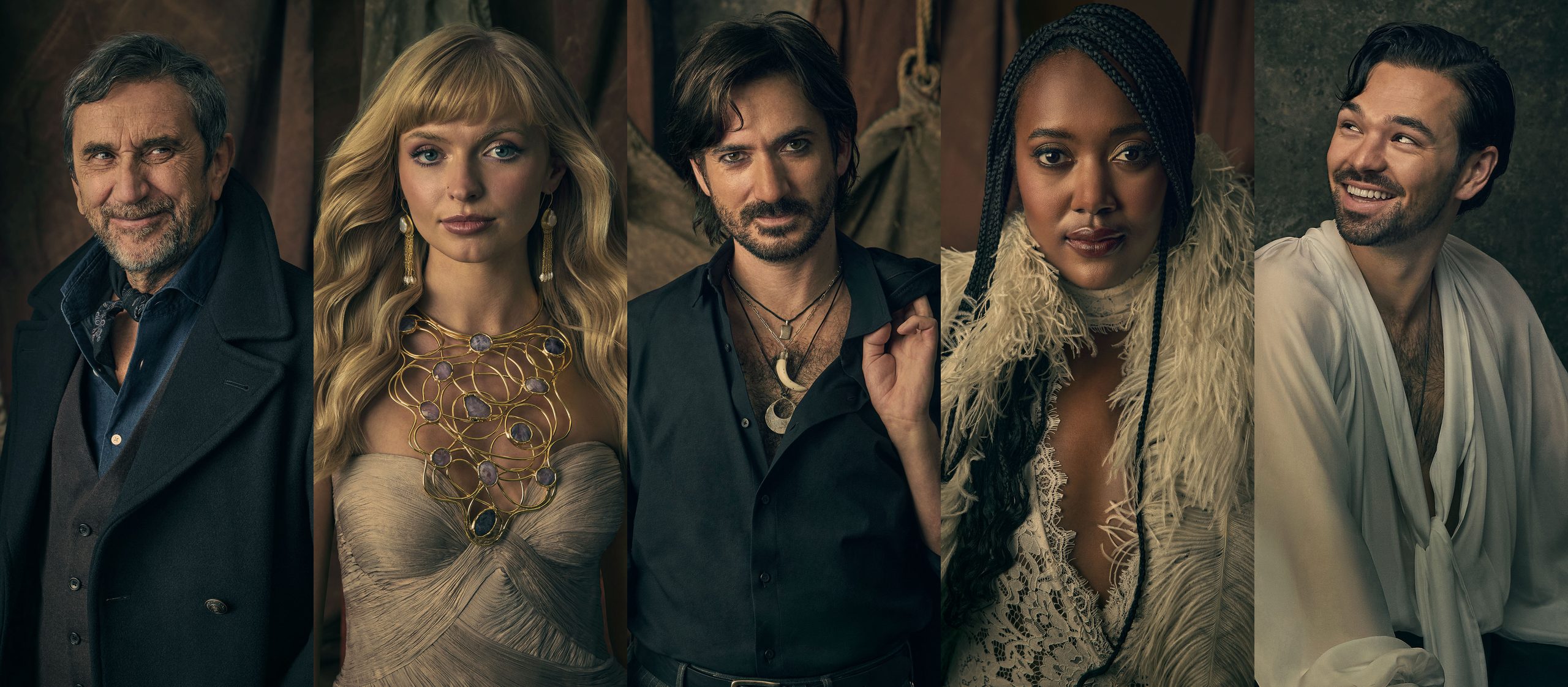
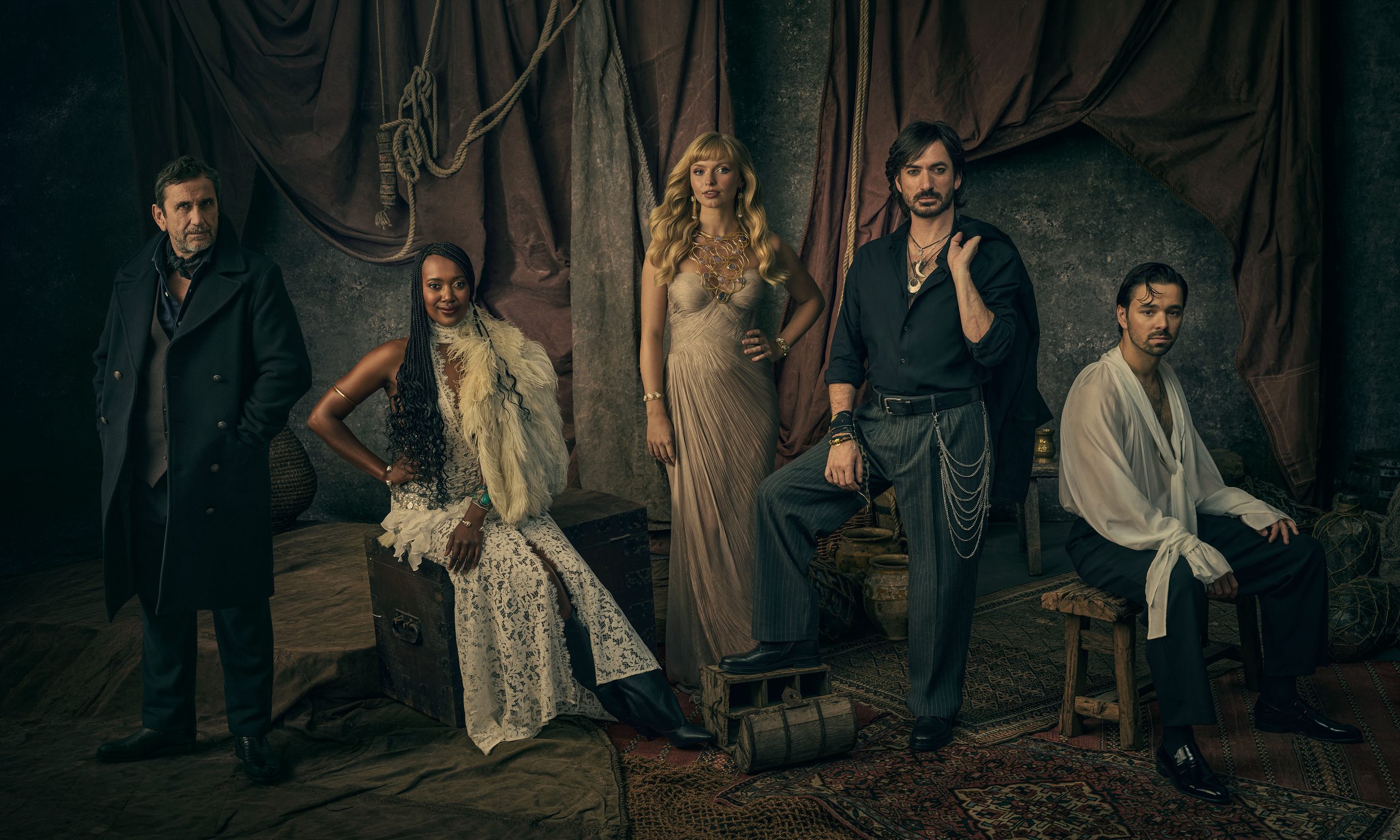
OLIVIER AWARD WINNER GEORGE MAGUIRE PLAYS CAPTAIN JACK SPARROW, AND IS JOINED BY PHIL DANIELS AS CAPTAIN BARBOSSA, LILY BLUNSOM AS ELIZABETH SWANN, HARRISON WILDE AS WILL TURNER
AND GLEANNE PURCELL-BROWN AS ANAMARIA
AN EXTRAORDINARY MULTI-AWARD-WINNING CREATIVE TEAM ASSEMBLES TO BRING THE SWASHBUCKLING WORLD OF DISNEY’S PIRATES OF THE CARIBBEAN TO LIFE
Secret Cinema and TodayTix today announce initial casting for their highly anticipated world premiere production Disney’s Pirates of the Caribbean: The Immersive Adventure, alongside a further six-week extension due to popular demand.
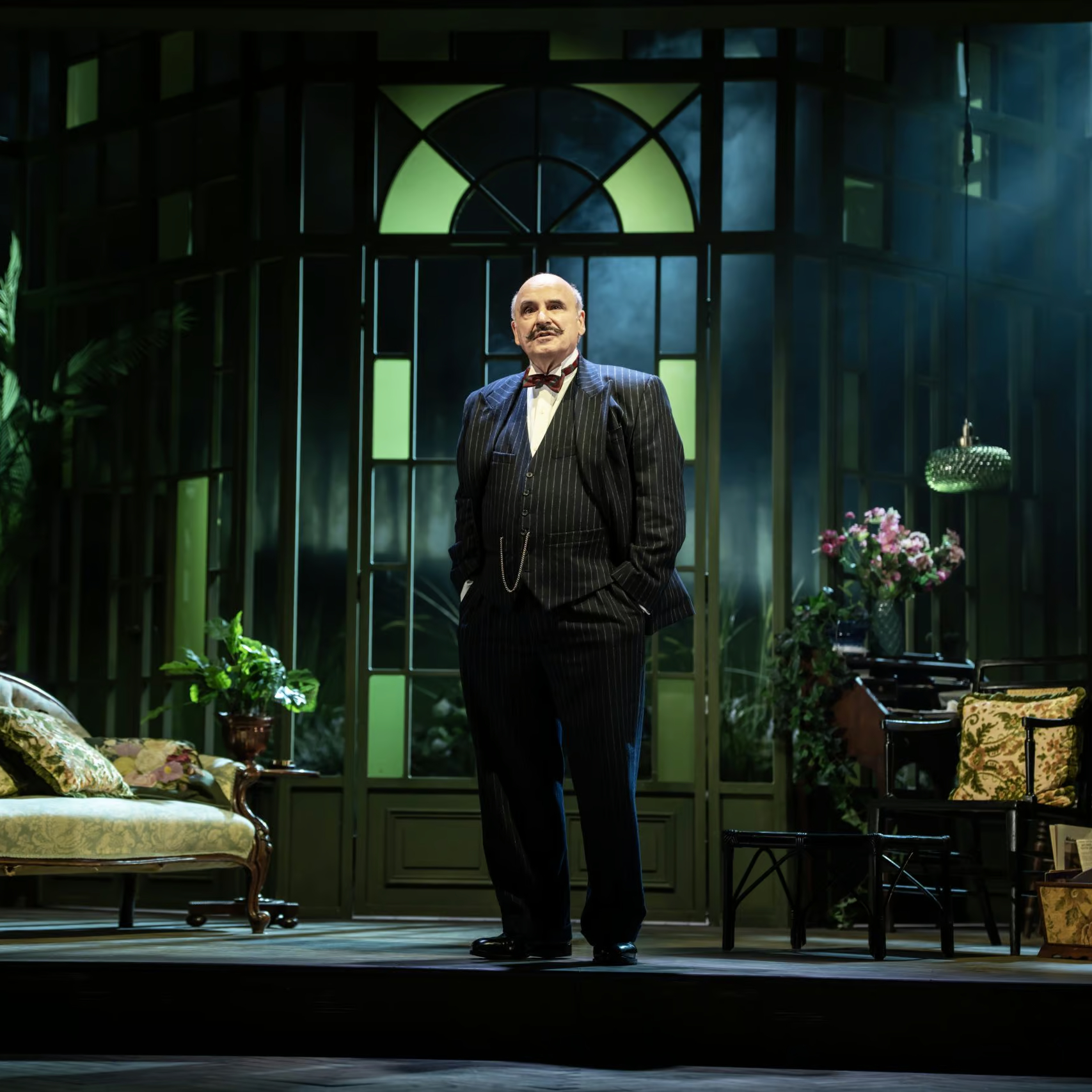
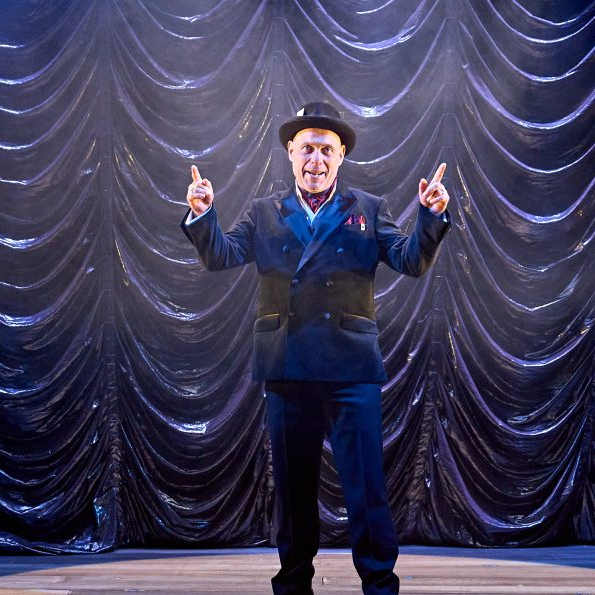
Olivier award winner George Maguire will take on the role of Captain Jack Sparrow, and is joined by Phil Daniels as Captain Barbossa, Lily Blunsom as Elizabeth Swann, Harrison Wilde as Will Turner and Gleanne Purcell-Brown as Anamaria.
Directed by Olivier award winner Matt Costain, the production begins previews on 16 February, with its official opening on 10 March, at Secret Cinema’s purpose-built flagship venue at Greenwich Peninsula. Following strong demand the production has been extended for a further six weeks, with best ticket availability currently after 16 March.
Joining Costain on the creative team are two-time Emmy award winner Jason Sherwood (Production Designer), Kait Kerrigan (Theatrical Adaptor), Olivier award winner Alan Williams (Musical Supervision, Arrangements & Orchestrations, Stuart Burt CDG (Casting Director), Susan Kulkarni (Costume Designer), Helen Keane for Campbell Young Associates (Wigs, Hair and Make-Up Designer) and Alex Payne (Fight Director).
Breaking new ground for Secret Cinema, the production places live theatrical storytelling at its heart, with spectacular set pieces and specially curated clips from Disney’s Pirates of the Caribbean: The Curse of the Black Pearl woven into the experience rather than a full film screening. Bringing together an extraordinary company of performers and an internationally acclaimed creative team, this ambitious new production promises all the adventure, mischief, humor and larger-than-life spectacle that audiences love about Disney’s Pirates of the Caribbean. Over two swashbuckling hours, audiences will be swept up into a world of pirates, rogues and unlikely heroes, with Captain Jack Sparrow at the centre of the mayhem – and one thrilling difference; you’re not just watching the adventure unfold, you’re part of it.
Full casting will be announced shortly.
Merritt Baer, Artistic Director and Producer of Secret Cinema said:
“Disney’s Pirates of the Caribbean is everything we love about immersive entertainment. It’s bold, mischievous, wildly entertaining and filled with characters and a world you can’t help but want to explore. And with this production, we’re inviting audiences to do exactly that.
We’ve assembled an extraordinary cast and some of the most accomplished creative talent working in theatre today because bringing a world this beloved to life demands real ambition and artistry. But for all of the incredible craft behind it, the experience itself is about one thing: having an absolutely fantastic time.
Expect adventure, surprises, spectacular performances, a little chaos and plenty of opportunities to get swept up in the fun. We’ve taken everything Secret Cinema does best and pushed it further than ever before, creating a new kind of theatrical experience where the story doesn’t just happen in front of you – it happens all around you. This is exactly the kind of show we’ve been building towards and opening it in our new home at Greenwich Peninsula makes it even more exciting.
And honestly, who hasn’t dreamed of stepping into the world of Captain Jack Sparrow? We can’t wait to welcome audiences aboard”.
Angelo Desimini, Senior Vice President, Licensed Partnerships & Brand Management at Disney Theatrical Group, said:
“Disney’s Pirates of the Caribbean has always been about transporting audiences into a world of extraordinary characters, unforgettable adventures and, above all, tremendous fun. What excites us about this production is the opportunity to bring that spirit to life through exceptional theatrical talent and immersive storytelling. Secret Cinema has assembled a remarkable team to create an experience that is both artistically ambitious and wonderfully entertaining. It’s a chance for audiences to experience the world of Tortuga in an entirely new way.”
A new home for extraordinary adventures.
Secret Cinema’s new purpose-built venue at Greenwich Peninsula will become a long-term home for the production company, with Disney’s Pirates of the Caribbean: The Immersive Adventure as its inaugural production.
Located along the riverfront, a short walk from North Greenwich tube station and The O2, the venue has been designed to accommodate ambitious, large-scale immersive productions, creating a new destination for audiences seeking entertainment that goes well beyond the traditional theatre experience.
Visa, the production’s Official Payment Partner, will enable seamless and secure payments for fans, whilst offering exclusive experiences and access to Visa infinite cardholders.
The adventure awaits.
For further information and tickets: https://piratesofthecaribbeanimmersive.com/
Instagram: @piratesofthecaribbeanimmersive
SECRET CINEMA PRESENTS
DISNEY’S PIRATES OF THE CARIBBEAN: THE IMMERSIVE ADVENTURE
Cast includes: Olivier award winner George Maguire (Captain Jack Sparrow), Phil Daniels (Captain Barbossa), Lily Blunsom (Elizabeth Swann), Harrison Wilde (Will Turner) and Gleanne Purcell-Brown (Anamaria).
Creative team: Olivier award winner Matt Costain (Director),two-time Emmy award winner Jason Sherwood (Production Designer), Kait Kerrigan (Theatrical Adaptor), Olivier award winner Alan Williams (Musical Supervision, Arrangements & Orchestrations), Stuart Burt CDG (Casting Director), Susan Kulkarni (Costume Designer), Helen Keane for Campbell Young Associates (Wigs, Hair and Make-Up Designer) and Alex Payne (Fight Director).
Secret Cinema presents Disney’s Pirates of the Caribbean: The Immersive Adventure is a new live production launching exclusively in London. This limited-run marks the first time the franchise has been adapted into a fully immersive theatrical experience, transforming one of Disney’s most beloved cinematic films into an in-person adventure.
Brought to life by Secret Cinema’s multi-award-winning creative team, Secret Cinema presents Disney’s Pirates of the Caribbean: The Immersive Adventure is licensed through an agreement with Disney Theatrical Group, and invites audiences to step inside a swashbuckling celebration like no other. Featuring cinematic-scale immersive sets, live theatrical performances, dazzling stunts and a live band, this is an all-hands-on-deck spectacle that brings the spirit, humour and adventure of the films vividly to life.
Guests will be plunged into the legendary world of Pirates of the Caribbean: The Curse of the Black Pearl, with the freedom to roam richly detailed environments, encounter iconic characters, and become part of the story themselves. Every night unfolds as a high-energy adventure, culminating in a spectacular celebration worthy of the seven seas.
George Maguire plays Captain Jack Sparrow. George is the winner of the Olivier Award for Best Supporting Actor in a Musical for his performance of Dave Davies in Sunny Afternoon. Theatre Includes: What I Am (Edinburgh Fringe), Midnight (Sadlers Wells), To Sir, With Love in Concert (Gillian Lynne), Burlesque (Savoy Theatre, Manchester Opera House), Death Note in Concert (Lyric Theatre), Tarantino Live (Riverside Studios), Buck Barrow in Bonnie & Clyde (Garrick Theatre / Arts Theatre / Theatre Royal Drury Lane), Cratchit/Marley in Dolly Parton’s Smoky Mountain Christmas Carol (Southbank Centre), The Wicker Husband in The Wicker Husband (Watermill Theatre), Alan Dangle in One Man, Two Guvnors (New Wolsey Theatre / Nuffield Theatre), Orsino/Malvolio in Twelfth Night (Bridge House Theatre), Marc Bolan in 20th Century Boy (UK Tour), 35mm (The Other Palace), The Buskers Opera (Park Theatre), Dave Davies in Sunny Afternoon (West End), Lift (Soho Theatre), Tad in Bright Lights Big City, Berger in Hair (Piccadilly Theatre), Joe Vegas in Fame (West End), Angel in Rent (European Tour).
Film and TV Credits Include: Nick in Tomorrow Morning (Visualize Films), Felix in Eastenders (BBC), Duke in Prime Suspect (ITV) and Ferrante D’este in Borgia (Lionsgate)
Phil Daniels was born in Islington, London, and trained at the Anna Scher Theatre School. He began acting professionally at the age of 13 and has established himself across television, film, theatre and music.
His film credits include Jimmy Cooper in Quadrophenia, Fetcher in Chicken Run, Breaking Glass, Scum and Billy the Kid and the Green Baize Vampire. Daniels also appears alongside Olivia Colman in Wicker, due for release in 2026.
His television credits include Holding On, Waiting for the Out, Time Gentlemen Please, New Tricks and his role as Kevin Wicks in EastEnders.
On stage, he has performed with the Royal Shakespeare Company in Measure for Measure, The Jew of Malta, The Revenger’s Tragedy and A Clockwork Orange. At Shakespeare’s Globe, he played Enobarbus in Antony and Cleopatra and Big God in The God of Soho. His National Theatre credits include Liam, Dealer’s Choice and This House.
More recent theatre work includes Cock, alongside Jonathan Bailey and Taron Egerton, and David Hare’s Teeth ‘n’ Smiles. His musical theatre credits include Jigger in Carousel and Thénardier in Les Misérables.
Daniels has also recorded and worked with The Stranglers, Big Country, The Alarm and Blur, most notably on the Britpop anthem Parklife.
He has recently recorded a new album of original material, scheduled for release in 2027.
Lily Blunsom plays Elizabeth Swann. Her theatre work includes Romeo and Juliet (Kenneth Moore Theatre), Witness for the Prosecution (Eleanor Lloyd Productions), God Save Us (Lion and Unicorn Theatre) & Mickley Lane (Camden Fringe). Her screen work includes First Day on Earth (HBO & BBC1), G’Wed (ITV), TKD (16oz Films) & Look to the Light (Agency 105).
Harrison Wilde plays Will Turner. His theatre work includes Fame (Theatre Royal Plymouth), Evita, Robin Hood, The Wizard of Oz (The London Palladium), Kiss Me, Kate (Barbican), Sunset Boulevard (Savoy Theatre), Cats (international tour), Chicago (UK tour), Mamma Mia! (Novello Theatre). His film work includes Wicked for Good.
Gleanne Purcell-Brown plays Anamaria. Her theatre work includes The Unlikely Pilgrimage of Harold Fry (Theatre Royal Haymarket), Shucked (Regent’s Park Open Air Theatre), Saving Mozart (The Other Palace), The Book Thief in Concert (Prince Edward Theatre), Play On! (Lyric Hammersmith and UK Tour), Pippin: 50th Anniversary Concert (Theatre Royal Drury Lane), The Big Life (Stratford East), The Blonde Bombshells of 1943 (Bolton Octagon, Theatre by the Lake and Stephen Joseph Theatre), Playboy of the West Indies (Birmingham Rep), She Loves Me (Sheffield Theatres), Curtains (West End and UK tour), The Producers (Royal Exchange Theatre), and Spamalot (UK and international tour). Her film work includes Living.
Matt Costain (Director) is an Olivier Award Winning Aerialist, Actor and Creative Director. He has worked with The Royal Shakespeare Company, Shakespeare’s Globe and The National Theatre, flown in both the Millennium Celebrations and the London Olympics and directed over 20 productions for Secret Cinema including the award-winning Grease: The Immersive Movie Musical, Brazil, Star Wars and Stranger Things. His other stage work includes Warhorse, A Monster Calls and The RSC Histories Cycle. He has performed in, devised or directed some of the world’s biggest live entertainment experiences, including directing the performance at Manumission Ibiza when it was the biggest nightclub in the world.
Jason Sherwood (Production Designer) is a two-time Emmy Award-winning stage designer. His design work includes the upcoming Broadway production of The Fantasticks, world tours for the Spice Girls, Sam Smith, and Sara Bareilles and live television productions including the Oscars, RENT Live, the Kennedy Center Honors, the Grammy Awards, as well as performances for Elton John, Eminem, Billie Eilish, Camila Cabello, Cynthia Erivo and Janelle Monae. He is the recipient of Drama Desk, Outer Critics Circle, and Lucille Lortel nominations and a Henry Hewes Design Award.
Kait Kerrigan’s (Theatrical Adaptor) work on Broadway includes The Great Gatsby (book); and in the West End, The Great Gatsby, The Time Traveler’s Wife (additional lyrics); Off-Broadway, The Heart (book & additional lyrics) opening Fall 2026 at Roundabout Theatre Company, The Mad Ones (book and lyrics); and children’s shows – Henry and Mudge (book and lyrics – Kleban Award) and Ada, Rosie & Iggy: The Questioneers opening at the New Victory Fall 2026. Additional musicals include the book for Indigo (Leicester Curve), lyrics for Justice (Arizona Theatre Company), Earthrise (Kennedy Center), and Ernxst, or The Importance of Being (commissioned by Concord Theatricals), book/lyrics/concept for the sold-out immersive pop-up Brooklyn house party The Bad Years. Her plays include Father/Daughter, Imaginary Love, Disaster Relief, and Transit.
Alan Williams (Musical Supervision, Arrangements & Orchestrations) is an Olivier and WhatsOnStage Award winning Musical Director, Supervisor, Arranger and Orchestrator. His Broadway credits include Sunset Blvd., Elf and Funny Girl. His London and UK theatre credits include Evita, The Hunchback of Notre Dame in concert, 13 Going on 30, Sunset Blvd., Elf, Crazy For You, Funny Girl, Hairspray, The Boy in the Dress, Big Fish, Disney’s Aladdin, A Damsel in Distress, Assassins, Urinetown, The Commitments, A Chorus Line, Shrek, The 25th Annual Putnam County Spelling Bee, Passion and Monty Python’s Spamalot. He co-produced and conducted the albums of Evita, Sunset Blvd. and The Boy in the Dress, co-produced, arranged and orchestrated the album of 13 Going on 30, conducted the London revival recording of Funny Girl, and also played keyboards on the Original Cast Recording of Sister Act. His orchestration and arrangement of the Overture of Overtures for YouTube was performed as part of 50 years of Broadway (Kennedy Centre, Washington). He recently conducted Love/Life a concert at the Theatre Royal Drury Lane in aid for the charity – One for the Boys, and has also appeared on television and radio including Good Morning America, Tiny Desk, The Stephen Colbert Show, The Royal Variety Performance, Olivier Awards, The One Show and BBC Children in Need.
Stuart Burt CDG CSA, Casting Director
Stuart is the recipient of 5 CDG Awards for best casting in theatre and has been included three times in the Stage 100.
Theatre credits include Into The Woods (Noël Coward Theatre/Bridge Theatre); Oh, Mary!, Clarkston, The Maids, The Homecoming, The Hothouse, The Ruling Class, Richard III, Macbeth, The Spoils, Buried Child, The Pride (Trafalgar Theatre); Fiddler on the Roof (Barbican Theatre/Regent’s Park Open Air Theatre/UK Tour); Thelma and Louise (Young Vic); Fame (Theatre Royal Plymouth); Once (Pitlochry Festival Theatre); My Fair Lady (Chichester Festival Theatre); The Fifth Step (@sohoplace); Just For One Day (Shaftesbury Theatre/Mirvish Theatre, Toronto/Old Vic); Much Ado About Nothing, The Tempest (Theatre Royal Drury Lane); Sing Street (Lyric Hammersmith); Sunset Boulevard (Broadway/Savoy Theatre); Standing at the Sky’s Edge (Gillian Lynne Theatre/National Theatre/Sheffield Theatres); Romeo and Juliet (Duke of York’s Theatre); Sister Act (Dominion Theatre/Eventim Apollo/UK Tour); Make It Happen (National Theatre of Scotland/Edinburgh International Festival); The Ministry of Lesbian Affairs (Kiln Theatre); Muriel’s Wedding (Leicester Curve); Cabaret (Kit Kat Club/Playhouse Theatre); Sylvia (Old Vic); Mrs Doubtfire (Shaftesbury Theatre/UK Tour); The Seagull, Pinter at the Pinter (Harold Pinter Theatre); & Juliet (Shaftesbury Theatre/UK Tour); Chariots of Fire, White Christmas, Miss Saigon, She Loves Me (Sheffield Crucible); Here You Come Again (Leeds Playhouse/Riverside Studios/UK Tour); Cyrano de Bergerac (Playhouse Theatre/BAM); Joseph and the Amazing Technicolor Dreamcoat (London Palladium/UK Tour); East is East (National Theatre/Birmingham Rep); Betrayal (Harold Pinter Theatre/Broadway); The Two Character Play (Hampstead Theatre); Sherlock Holmes, Little Shop of Horrors (Regent’s Park Open Air Theatre); Doctor Faustus (Duke of York’s). Film & TV credits include The Ashley Madison Affair (Hulu); Dance 100 (Netflix); Locked Up Abroad (National Geographic); Dr Seuss’ The Grinch Musical! (NBC/Sky); Everybody’s Talking About Jamie (Ballroom Dancer Casting. Warp Pictures).
Susan Kulkarni is an award-winning Costume Designer. She has spent more than two decades shaping distinctive visual worlds across theatre, film, television, immersive entertainment and global live events. Her theatre credits include Disney’s flagship Cruise Line musical Remember; the Opening Ceremony of The Valorant Games (Done+Dusted, Paris), The Hitchhiker’s Guide to the Galaxy (Riverside Studios), Elvis Evolution (Layered Reality, London), Fame Factory (Done+Dusted, London), Indigo (Curve, Leicester), Come Alive! The Greatest Showman (London, Australia Tour), Disney/Pixar’s We Belong Together (Disneyland Paris), East is East (National Theatre, Chichester Festival Theatre and Birmingham Rep), Steel Magnolias (UK Tour), Herding Cats (Soho Theatre), United Queendom (Kensington Palace, Les Enfants Terribles), Detroit, More Light and Prince of Denmark (National Theatre/West End), The Marriage of Figaro and The Magic Flute (Central City Opera, Colorado), and Jeff Wayne’s Immersive War of the Worlds (London). She also recently designed the Elves for Lapland UK (Les Enfants Terribles). Her screen work is equally wide-ranging. She recently styled Usher and his band at The Box and is the Costume Designer for Ricky Gervais’s BBC film 7 Minutes. She has styled Stanley Tucci for Cards on the Table and for campaigns with N.Peal and Tanqueray. Her credits also include Count Abdulla; Wayne Sleep’s Big Ballet (Channel 4), Mrs Dickens’s Family Christmas (BBC), and two English National Ballet films: An Evening with Taglioni and Cinderella Games. She served as Assistant Costume Designer on Amazon’s futuristic drama The Peripheraland on Martin Scorsese’s Oscar-nominated Silence. Further costume team credits include The Huntsman: Winter’s War, Spy, Downton Abbey and Wolf Hall. Her large-scale and stadium work includes designing for Miami’s immersive tour in Kuwait and AlUla, Saudi Arabia; more than 2,000 bespoke costumes for UAE National Day 48 in Abu Dhabi; and 2,000 costumes for the Closing Ceremony of the Islamic Solidarity Games in Baku, Azerbaijan.
Helen Keane for Campbell Young Associates is Hair, Wigs & Make-up Designer. Credits include: West End/UK – The Standard of Living (Theatre Royal Haymarket), Who’s Afraid of Virginia Woolf (@sohoplace), How The Other Half Loves (The Old Vic), Death Note (Barbican Theatre), Sinatra (Aldwych Theatre), Glengarry Glen Ross (The Old Vic), Pride – The Musical (Sherman Theatre, National Theatre and Bridge Theatre), Atonement (Chichester Festival Theatre), High Society (Barbican Theatre), Magic (Chichester Festival Theatre), Romeo & Juliet (Harold Pinter Theatre), High Noon (Harold Pinter Theatre), The Last Ship (Theatre Royal Drury Lane and International Tour), Paddington – The Musical (Savoy Theatre), Miss Saigon UK Tour (Various UK venues), Sing Street (Lyric Hammersmith), Hercules (Theatre Royal Drury Lane), Come Fall In Love (Manchester Opera House), Mrs Warren’s Profession (Garrick Theatre), A Knight’s Tale (Manchester Opera House), Muriel’s Wedding (Curve, Leicester), Kinky Boots (UK Tour), Calamity Jane (UK Tour), The Fear Of 13 (Donmar Warehouse), Leopoldstadt (Wyndham’s Theatre), Juno and the Paycock (Gielgud Theatre), The Devil Wears Prada (Dominion Theatre), Starlight Express (Troubadour Wembley Park Theatre), Groundhog Day (The Old Vic), 42nd Street (Sadler’s Wells and UK Tour), Aspects of Love (Lyric Theatre), Guys & Dolls (Bridge Theatre), The King & I (London Palladium and UK Tour), As You Like It (@sohoplace), Good (Harold Pinter Theatre), Eureka Day (The Old Vic), Anything Goes (Barbican Theatre and UK Tour), Get Up Stand Up (Lyric Theatre), The Drifters Girl (Garrick Theatre), Rosmersholm (Duke of York’s Theatre), All About Eve (Noël Coward Theatre), St. Joan (Donmar Warehouse), One Night in Miami (Donmar Warehouse), City of Angels (Donmar Warehouse and Garrick Theatre), The Young Chekhov Trilogy (Chichester Festival Theatre and National Theatre), Gypsy (Chichester Festival Theatre and Savoy Theatre).
Broadway – A Beautiful Noise (Broadhurst Theatre), The Music Man (Winter Garden Theatre), Carousel (Imperial Theatre), Head Over Heels (Hudson Theatre), Three Tall Women (John Golden Theatre), Hello, Dolly! (Shubert Theatre) The Crucible (Walter Kerr Theatre), Misery (Broadhurst Theatre), Sylvia (Cort Theatre), A Delicate Balance (John Golden Theatre), Les Misérables (Imperial Theatre). (Broadway/West End) – Stranger Things: The First Shadow (Marquis Theatre and Phoenix Theatre), The Hills of California (Broadhurst Theatre and Harold Pinter Theatre), Back to the Future (Winter Garden Theatre and Adelphi Theatre), Funny Girl (August Wilson Theatre and Savoy Theatre), To Kill a Mockingbird (Shubert Theatre and Gielgud Theatre), Company (Bernard B. Jacobs Theatre and Gielgud Theatre), A Christmas Carol (Lyceum Theatre and The Old Vic), Tina – The Tina Turner Musical (Lunt-Fontanne Theatre and Aldwych Theatre) (Drama Desk Award – Outstanding Wigs and Hair), The Ferryman (Bernard B. Jacobs Theatre, Royal Court Theatre and Gielgud Theatre), Girl from the North Country (Belasco Theatre, The Old Vic, Noël Coward Theatre and Gielgud Theatre), Farinelli and the King (Belasco Theatre, Sam Wanamaker Playhouse and Duke of York’s Theatre), Groundhog Day (August Wilson Theatre and The Old Vic), Charlie and the Chocolate Factory (Lunt-Fontanne Theatre and Theatre Royal Drury Lane), The Cripple of Inishmaan (Cort Theatre and Noël Coward Theatre), Matilda (Shubert Theatre and Cambridge Theatre), Ghost (Lunt-Fontanne Theatre and Piccadilly Theatre), Billy Elliot (Imperial Theatre and Victoria Palace Theatre).
Opera – Anna Nicole (BAM).
Alex Payne is the Fight Director. Alongside his work as a fight director and stunt performer Alex’s artistic endeavours extend to Mostar, Bosnia and Herzegovina, where he lends his directorial talents to Shakespearean productions for the non-profit organisation, Youth Bridge Global. His theatre credits include Teeth ‘n’ Smiles (Duke of York Theatre), The Last Ship (International Tour), Macbeth (RSC), The Estate (National Theatre), As You Like it (Theatre Royal Bath), Brace Brace (Royal Court Theatre), Opening Night (Gieldgud Theatre), An Enemy of The People (Duke of York), The Seagull (Barbican), Only Fools and Horses (UK Tour), Praise of Love (Orange Tree Theatre), Saxon Court, A Lie of The Mind (Southwark Playhouse), Echo (Kings Head Theatre), The Armour (The Langham), A Sherlock Carol (Marylebone Theatre), Titus Andronicus, Macbeth (Wimbledon Studio), Excluded, Love Me to Death, Rise and Fall (Intermission Theatre). His work in theatre as associate include High Noon (Harold Pinter Theatre), Grapes of Wrath (National Theatre), Macbeth (Liverpool, Edinburgh, London, Washington). His live performances include Saturday Night Fever, Victoria, Bridgerton, Star Wars, Stranger Things (Secret Cinema), LegoCity Live: Ultimate Stunt Showdown (Legoland Windsor, RWS), Rumble in the Jungle (Rematch Live), Lights Camera Action, Celebration of Superhero’s (Warner Bros Abu Dhabi), SeaWonder (SeaWorld Abu Dhabi) Musketeers (BBC Worldwide), and Project Martini, Project Temple (Immersive Octopus). His Opera credits include Il Tabaro (ROH), The Magic Flute (Nevill Holt). His television and film credits include Vikings: Bloodaxe (Amazon Studios), Vikings (MGM, Amazon), Vikings: Valhalla (Netflix), Mary Queen of Scots (Focus Features, Universal Pictures) all as a stunt performer. His Music Video credits include Wolf Alice (Academy Films), Ardee (Grade A), Bandokay ft Headie One (Cellar Door), Brian Fallon, The Last Dinner Party, Rak-Su (Kode), Nafe Smallz (Don Prod) as Fight Coordinator/ Stunt Coordinator.
MERRITT BAER, ARTISTIC DIRECTOR & PRODUCER, SECRET CINEMA
Merritt is the President and Co-Founder of TodayTix Group, the global e-commerce leader for theatrical experiences, as well as the Artistic Director and Producer of Secret Cinema, the UK’s leading immersive theatre production company. A Tony Award-winning producer, his Broadway and London credits include The Merchant of Venice (starring Al Pacino), Death of a Salesman (starring Philip Seymour Hoffman), Lucky Guy (starring Tom Hanks), Romeo and Juliet (starring Orlando Bloom), It’s Only A Play (starring Nathan Lane and Matthew Broderick), Six, and more. He most recently produced Jinx Monsoon as Judy Garland in End of the Rainbow in London.
Following TodayTix’s acquisition of Secret Cinema in 2022, Merritt assumed leadership of the groundbreaking immersive entertainment studio in 2024. Under his leadership, Secret Cinema produced the award-winning Grease: The Immersive Movie Musical, its most popular production across its entire 19 year history.
At TodayTix, Merritt launched initiatives across the world to increase access to theatre including Broadway and the West End’s first mobile lotteries, London Theatre Week, #Ham4Ham Hamilton Lottery, Free First Previews at the Public Theater, Shakespeare in the Park’s Free Mobile Lottery, and many more. Merritt was named StartOut’s 2018 Innovator of the Year, Blooloop’s 2025 Top Immersive Influencers List, and was part of the 2026 Stage 100.
LISTINGS
DISNEY’S PIRATES OF THE CARIBBEAN:THE IMMERSIVE ADVENTURE
https://piratesofthecaribbeanimmersive.com/
Performances:
Tuesday – Friday at 7.30pm
Selected Thursdays at 2:30pm
Saturday 2.30pm & 7.30pm
Sunday 1pm
Selected Sundays at 6pm
Standing from £49, Seated from £69